



Pavement Striping for Private Roads and Community Properties
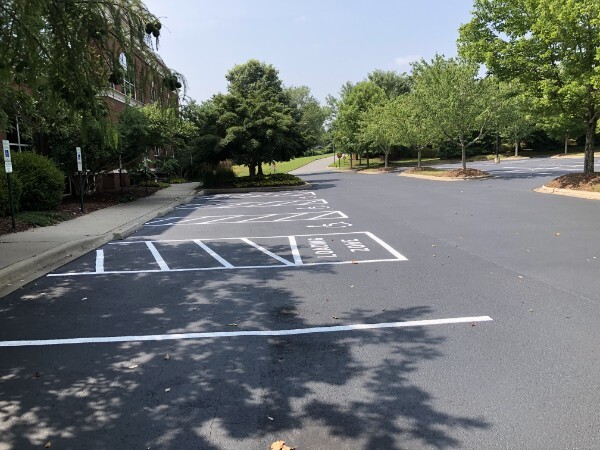
Professional pavement striping helps maintain safe, organized traffic flow for private roads, shared access drives, and managed properties throughout Western North Carolina. Clear markings support visibility, compliance, and day to day functionality for communities and multi building sites.
Over time, traffic and weather cause striping to fade. When markings become difficult to see, safety and appearance both suffer. Properly applied striping restores clarity to roadways and managed parking areas, helping property managers maintain order and protect long term value.
Clear, Durable Striping
Built for Safe and Organized Properties
Pavement striping is most effective when markings are maintained before visibility becomes a safety concern. As traffic and weather gradually fade painted lines, directional markings and parking layouts become harder to see and less effective.
Rather than waiting for confusion or compliance issues, professional striping restores clarity to roadways and managed parking areas. It is commonly incorporated into ongoing maintenance plans for private roads, shared access drives, and community properties to help maintain order, safety, and appearance.
AS SEEN ON:




How Sealcoating Works
A Structured Approach to Pavement Marking
Professional striping requires proper planning, preparation, and application to ensure long lasting visibility, safe traffic flow, and consistent performance across private roads and managed properties.

Evaluate
the Site
Review traffic patterns and property layout
Assess existing markings and visibility
Confirm scope within a broader pavement maintenance plan

Prepare
the Surface
Clean pavement to ensure proper adhesion
Remove loose debris and contaminants
Address minor surface conditions that may affect striping

Apply Professional-Grade Markings
Apply uniform, commercial grade striping materials
Ensure consistent alignment and spacing
Allow proper curing before reopening to traffic

Review and Plan Ahead
Confirm visibility and coverage
Verify layout accuracy
Discuss ongoing maintenance timing as part of a long term pavement plan
Where Striping Fits
Pavement striping is most effective when incorporated into a broader pavement maintenance strategy for private roads and community properties. As markings fade from traffic exposure and weather, visibility decreases and traffic organization becomes less reliable.
Restoring striping at the right stage helps maintain safe traffic flow, clear navigation, and structured property use across roadways and community sites.
Why Timing Matters
When striping is refreshed before visibility becomes a concern, properties remain safer and easier to navigate for residents and visitors.
Proactive striping helps maintain order, reduce confusion, and support consistent traffic patterns throughout private roads and managed properties.
This is maintenance, not cosmetic repainting.
Striping Supports
Maintains safe, visible traffic flow
Reinforces organized parking and directional movement
Supports ADA and compliance markings where required
Aligns with coordinated pavement maintenance planning
Part of a Larger Pavement Strategy
Striping is frequently coordinated with crack sealing, resurfacing, and long term pavement planning. When integrated properly, it supports structured pavement preservation rather than reactive correction.
What Sets Us Apart
Why Choose Us

Focused Road Specialization
Private roads, chipseal resurfacing, and long term pavement preservation are our core focus. We concentrate on projects where durability and coordinated maintenance matter, integrating services like striping and crack sealing into structured pavement plans instead of treating them as isolated fixes.
Owner Led Projects
You work directly with the person responsible for the project. From the initial site visit through completion, communication remains clear and decisions are made by someone who understands traffic patterns, layout considerations, and on site conditions.
Local Experience
We work throughout Western North Carolina mountain communities and understand the terrain, weather patterns, drainage challenges, and access considerations unique to private roads and managed properties.
Follow Through
If something needs attention, we address it. We stand behind our work and ensure questions or concerns are handled promptly, with clear communication before, during, and after the project.
STILL HAVE QUESTIONS?
Striping FAQs
Clear answers about professional pavement striping for private roads and managed community properties.
1. What does professional pavement striping include?
Professional pavement striping includes layout evaluation, surface preparation, and the application of durable, commercial grade markings. This may include roadway centerlines, edge lines, directional arrows, parking layouts, and other markings needed to maintain safe and organized traffic flow across private roads and managed properties.
2. How long does pavement striping typically last?
The lifespan of striping depends on traffic volume, surface condition, weather exposure, and the materials used. On private roads and community properties, properly applied striping generally maintains good visibility for several years before refreshing is needed as part of a broader maintenance plan.
3. When is the best time of year to stripe?
Striping is typically performed during warmer, dry conditions when pavement surfaces are clean and moisture levels are low. Proper temperature and weather conditions are important to ensure adhesion and durability. Scheduling is coordinated based on site conditions and seasonal windows.
4. How long does traffic need to stay off newly striped areas?
Drying and curing time varies depending on weather conditions and materials used. In most cases, areas can reopen to traffic within a short period once markings have properly set. Specific timing is discussed during project planning to minimize disruption.
5. Can you re stripe existing markings or create a new layout?
Yes. Striping may involve refreshing existing markings or adjusting layouts when needed to improve traffic flow and organization. Layout changes are evaluated carefully to ensure they support safe movement and practical property use.
6. Do you handle roadway markings and parking areas?
Yes. Striping may include roadway centerlines, edge lines, stop bars, directional markings, and organized parking layouts for managed properties. The focus remains on private roads, shared access drives, and community scale projects rather than small one off retail repainting.
7. Do you provide ADA and compliance markings?
Where required, ADA and related compliance markings can be incorporated into a striping project. These are addressed as part of the overall layout plan to ensure consistency and proper placement.
8. Is pavement striping mainly cosmetic?
No. While fresh striping improves appearance, its primary purpose is safety, visibility, and organized traffic flow. Maintaining clear markings supports orderly movement, reduces confusion, and protects the long term function of the property.
9. How do we know if striping is the right step for our property?
The right approach depends on the condition of existing markings, traffic patterns, and overall pavement condition. Each property is evaluated within the context of a broader pavement maintenance plan to determine whether refreshing striping, coordinating with crack sealing, or scheduling future resurfacing makes the most sense.
Integrated Pavement Preservation
Pavement performance is best managed in phases for private roads and managed community properties. Based on surface condition and long term planning goals, services such as crack sealing, sealcoating, and chipseal resurfacing are coordinated into a structured preservation plan. Striping is incorporated at the appropriate stage to support safe traffic flow and organized property use while helping extend overall pavement life and control long term maintenance costs.
Chipseal Resurfacing
Durable resurfacing solution for private roads and shared access routes where traction, drainage, and long term structural performance are priorities. Often recommended when pavement condition moves beyond preventive surface protection and requires a more substantial preservation phase.
Crack Sealing
Targeted treatment used to prevent water intrusion through active cracks and protect the base layer beneath aging asphalt. Frequently coordinated before sealcoating or resurfacing as part of a structured maintenance strategy.
Sealcoating
Protective surface treatment used to slow oxidation and surface wear. Sealcoating is typically incorporated into ongoing maintenance planning to extend service life between resurfacing cycles.

Questions About Faded or Unclear Markings?
If roadway or parking markings are becoming difficult to see, proactive evaluation helps maintain safe traffic flow and organized property use. We review site conditions for private roads and managed community properties and outline practical next steps within a structured pavement maintenance plan.
Our Service Areas
Sealcoating for private roads, shared access routes, and managed community properties is performed throughout Western North Carolina. Our focused service area allows for thorough evaluation, realistic scheduling, and consistent project oversight.
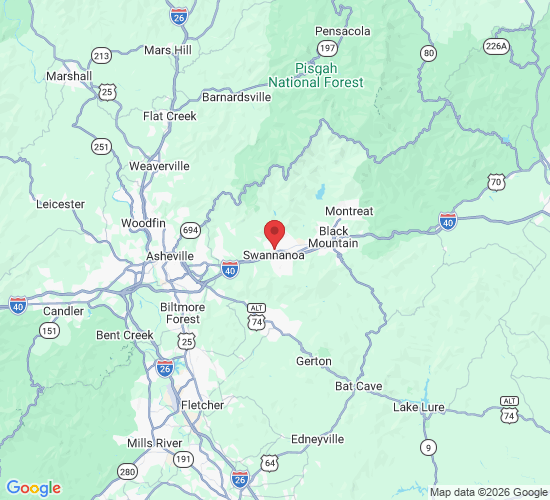
Asheville, NC
Swannanoa, NC
Fairview, NC
Waynesville, NC
Boone, NC
Black Mountain, NC
Weaverville, NC
Hendersonville, NC
Brevard, NC
Surrounding WNC areas
If your private road or managed community is nearby and not listed above, contact us to discuss your pavement condition and project scope.
Serving Western North Carolina mountain communities.
Craftworx specializes in chipseal road projects for private communities, shared access roads, and property owners throughout Western North Carolina.
Menu
Links
Terms of Use
Privacy Policy
Cookie Policy
Address
© 2026 Craftworx. All Rights Reserved.