


Asphalt Crack Sealing for Roads and Communities
Proper crack sealing helps prevent water intrusion, protects the base beneath your asphalt, and extends the usable life of private roads, parking areas, and managed properties throughout Western North Carolina.
Professional Crack Sealing
That Protects What You’ve Already Built
Craftworx performs crack sealing for private roads, shared access routes, and managed properties where long-term pavement performance matters. Properly sealed cracks prevent water from reaching the base, reducing future deterioration and preserving structural integrity.
AS SEEN ON:




How Asphalt Crack Sealing Works
A Structured Approach to Pavement Protection
Effective crack sealing is not cosmetic.
It is preventive maintenance designed to protect the structural base beneath your asphalt.

Evaluate
the Surface
Inspect asphalt condition
Identify active cracks
Confirm the pavement is a good candidate for sealing

Clean and Prepare the Cracks
Thoroughly clean and prepare cracks
Ensure proper adhesion
Prepare for hot-applied sealant

Hot-Applied Crack Sealing
Seal cracks with professional equipment
Prevent water intrusion
Restore surface protection

Final Inspection and Long-Term Planning
Confirm sealed performance
Review long-term pavement condition
Discuss maintenance planning
Where Crack Sealing Fits
Addressing cracks early helps preserve structural integrity and reduce the likelihood of larger repairs.
Why Timing Matters
When cracks are sealed before base damage occurs, pavement surfaces last longer and perform more consistently. Preventive crack sealing reduces structural stress and extends the usable life of private roads and managed properties.
This is preservation, not short-term patchwork.
Crack Sealing Supports
Prevents water intrusion
Protects the structural base
Extends pavement service life
Prepares surfaces for future resurfacing
Part of a Larger Pavement Strategy
Crack sealing is often coordinated with sealcoating, chipseal resurfacing, and long-term pavement planning throughout Western North Carolina.
What Sets Us Apart
Why Choose Us

Focused Road Specialization
Crack sealing, chipseal resurfacing, and private road preservation are our core focus. We concentrate on projects where long-term pavement performance matters, rather than offering surface treatments as isolated services.
Owner Led Projects
You work directly with the people responsible for the job. From the initial site visit through completion, communication stays clear and decisions are made by those who understand the work and on-site conditions.
Local Experience
We work throughout Western North Carolina mountain communities and understand the terrain, weather patterns, and access challenges involved. This experience helps us plan projects realistically and avoid unnecessary surprises.
Follow Through
If something needs attention, we address it. We stand behind our work and make sure questions or concerns are handled promptly, with clear communication before, during, and after the project.
STILL HAVE QUESTIONS?
Crack Sealing FAQs
Clear answers about professional crack sealing and its role in long-term pavement preservation for private roads and managed communities.
1. When should cracks in asphalt be sealed?
Cracks should be sealed as soon as they begin to form and before water penetrates the base beneath the asphalt. Early intervention prevents small surface cracks from becoming larger structural failures.
The ideal time is when cracks are visible but the pavement is still structurally sound. Sealing early is significantly more cost-effective than waiting until base damage or widespread deterioration occurs.
2. How long does professional crack sealing last?
The lifespan of crack sealing depends on traffic volume, pavement condition, and environmental exposure. When properly installed, professional hot-applied crack sealing can provide several years of protection.
More importantly, it delays larger repair cycles. By preventing water intrusion and base weakening, crack sealing helps extend the overall service life of private roads and managed properties.
3. Is crack sealing worth it for private roads?
Yes. For private roads, shared access routes, and community roadways, crack sealing is one of the most cost-effective preventative maintenance measures available.
Water infiltration is the primary cause of pavement failure. Sealing cracks early protects the structural base, reduces long-term repair costs, and supports a more predictable maintenance plan.
4. Can crack sealing be done before sealcoating?
Yes. In fact, crack sealing is often completed before sealcoating. Addressing cracks first ensures the surface is properly prepared and structurally protected. When coordinated as part of a broader pavement maintenance strategy, crack sealing supports better adhesion, improved performance, and longer-lasting surface treatments.
5. What happens if cracks are left untreated?
If cracks are not sealed, water can penetrate beneath the asphalt and weaken the underlying base. Over time, this leads to larger cracks, potholes, edge failure, and more extensive repairs.
What begins as a minor surface issue can evolve into structural damage requiring patching or resurfacing. Early crack sealing is designed to prevent that progression and preserve the integrity of the road.
Integrated Pavement Preservation
Pavement performance is best managed in phases for private roads and community properties. Based on surface condition and long term planning goals, services such as crack sealing, sealcoating, and chipseal resurfacing are coordinated into a structured preservation plan. Striping is incorporated at the appropriate stage to support safe traffic flow and organized property use while helping extend overall pavement life and control long term maintenance costs.
Sealcoating
Protective surface treatment that slows oxidation, reduces surface wear, and extends asphalt life between larger maintenance cycles. Often coordinated after crack sealing for improved durability.
Chipseal Resurfacing
Durable resurfacing solution for private roads and shared access routes where traction, drainage, and long-term performance are priorities. Typically considered when surface wear exceeds simple maintenance treatments.
Pavement Striping
Professional road markings applied after resurfacing or protective treatments to restore visibility, organization, and safety for managed properties.

Questions About Your Pavement Condition?
If you are seeing active cracks, early action can protect your investment. We will review your pavement condition and outline practical next steps.
Our Service Areas
Sealcoating services for private roads, shared access routes, and managed communities are performed throughout Western North Carolina. Our focused regional service area allows for thorough evaluation, coordinated maintenance planning, and consistent project oversight.
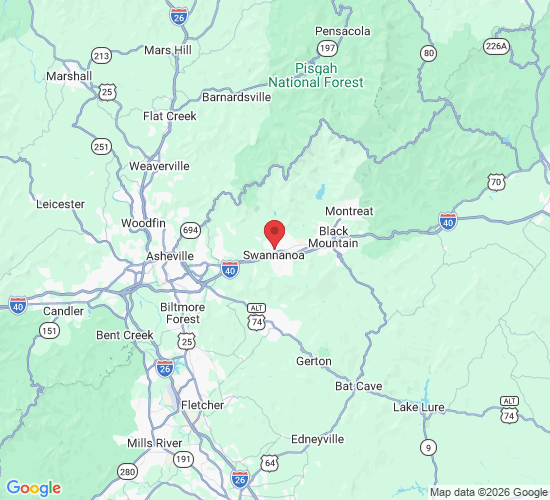
Asheville, NC
Swannanoa, NC
Fairview, NC
Waynesville, NC
Boone, NC
Black Mountain, NC
Weaverville, NC
Hendersonville, NC
Brevard, NC
Surrounding WNC areas
If your private road or managed community is located nearby and not listed above, we welcome a conversation to review pavement condition and discuss appropriate next steps.
Serving Western North Carolina mountain communities.
Craftworx specializes in chipseal road projects for private communities, shared access roads, and property owners throughout Western North Carolina.
Menu
Links
Terms of Use
Privacy Policy
Cookie Policy
Address
© 2026 Craftworx. All Rights Reserved.